
What would you like
to understand?
33 articles
No matching guides yet.
Try a broader term such as bass, speakers or dialogue, or browse the topic library.
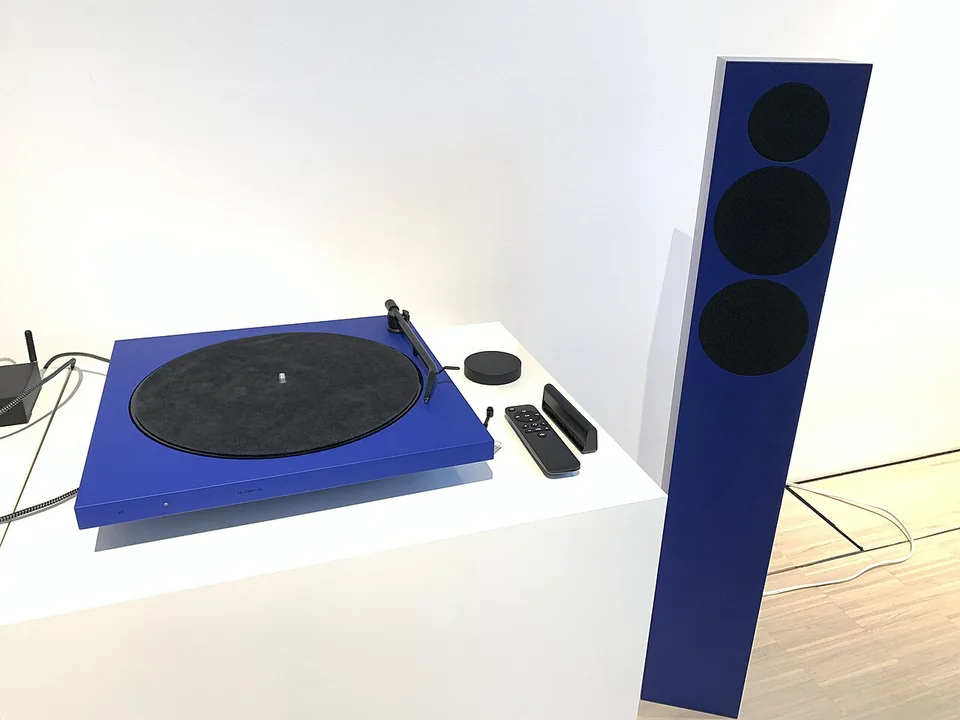
Speaker Placement: Get Clearer Stereo Sound in Your Room
A practical starting point for a more coherent stereo image—without buying anything.
Read article ↗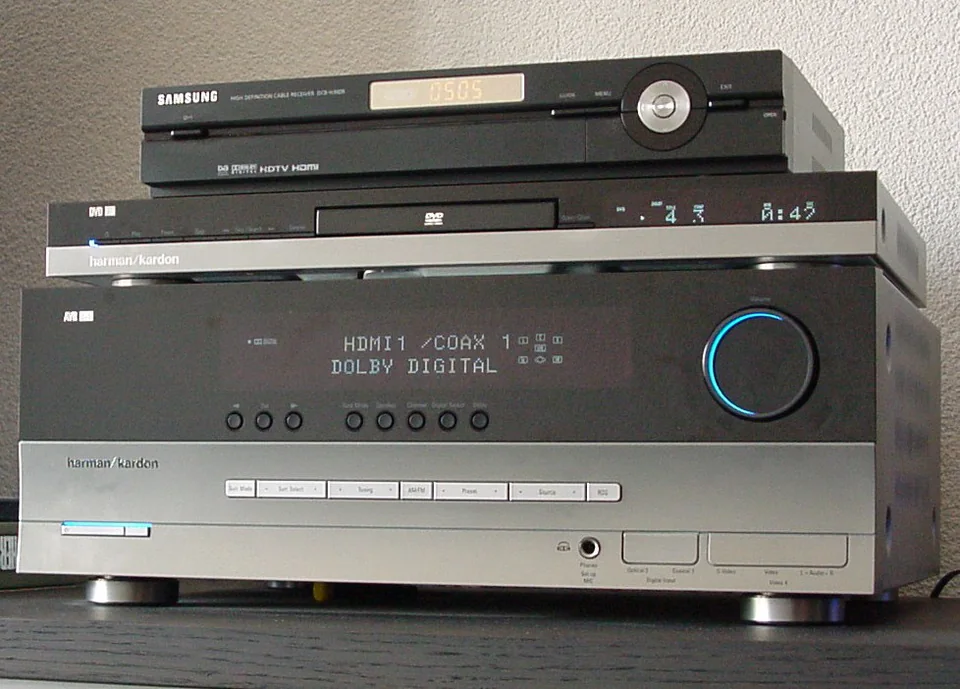
5.1 vs 7.1 vs 5.1.2: Home Theater Channels Explained
Read a home theater layout before you start planning one.
Read article ↗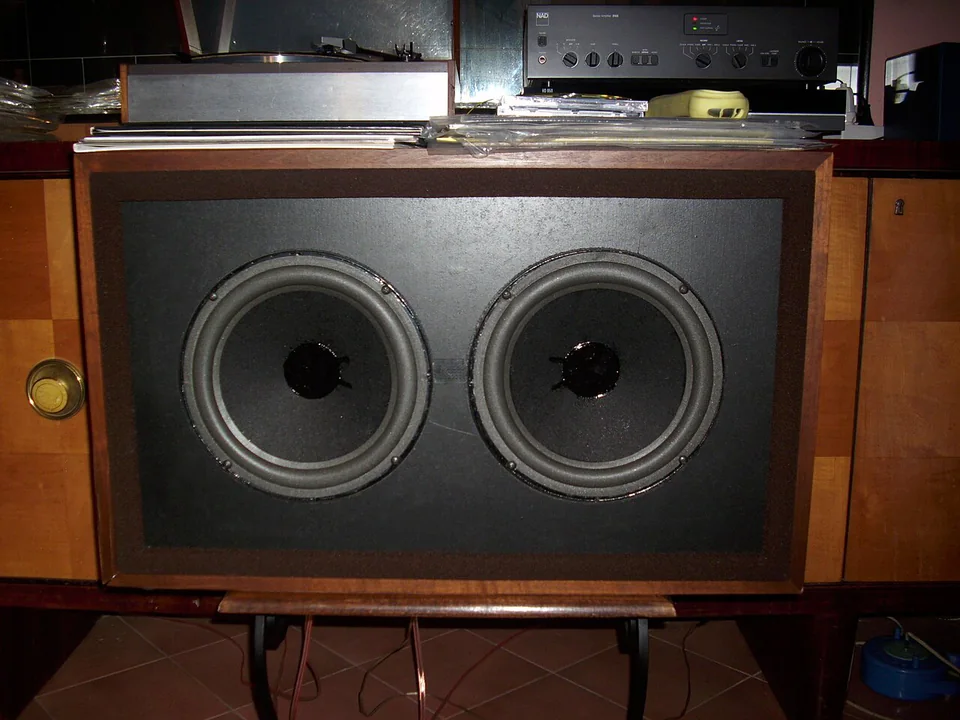
Subwoofer Integration: Blend Bass With Your Main Speakers
An introduction to integrating a subwoofer with the rest of a system.
Read article ↗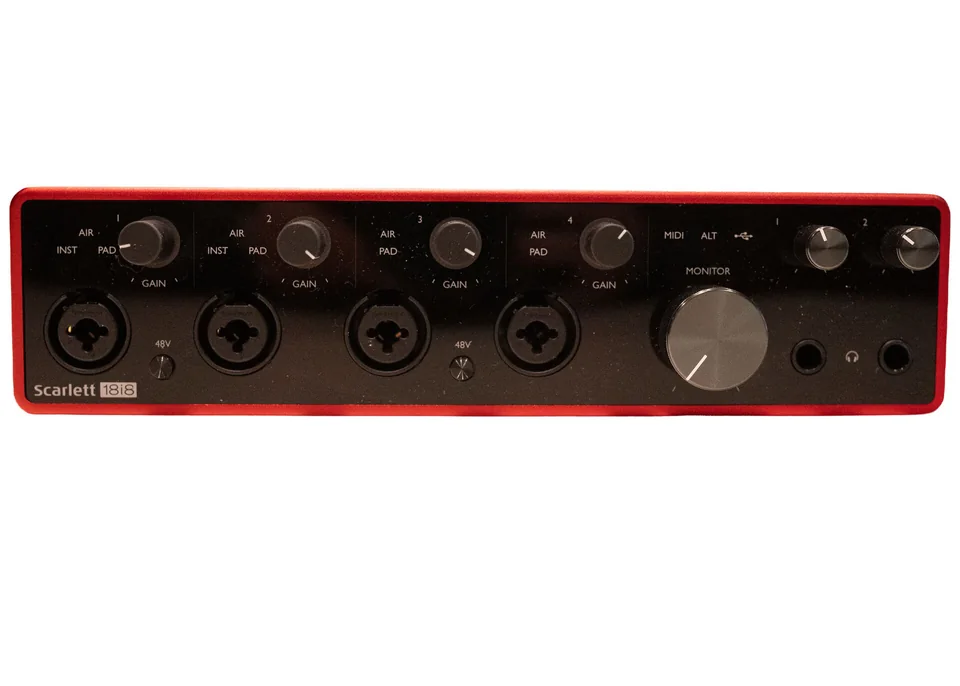
Audio Signal Chain Explained: From Source to Speakers
Source, conversion, processing and amplification—four jobs worth distinguishing.
Read article ↗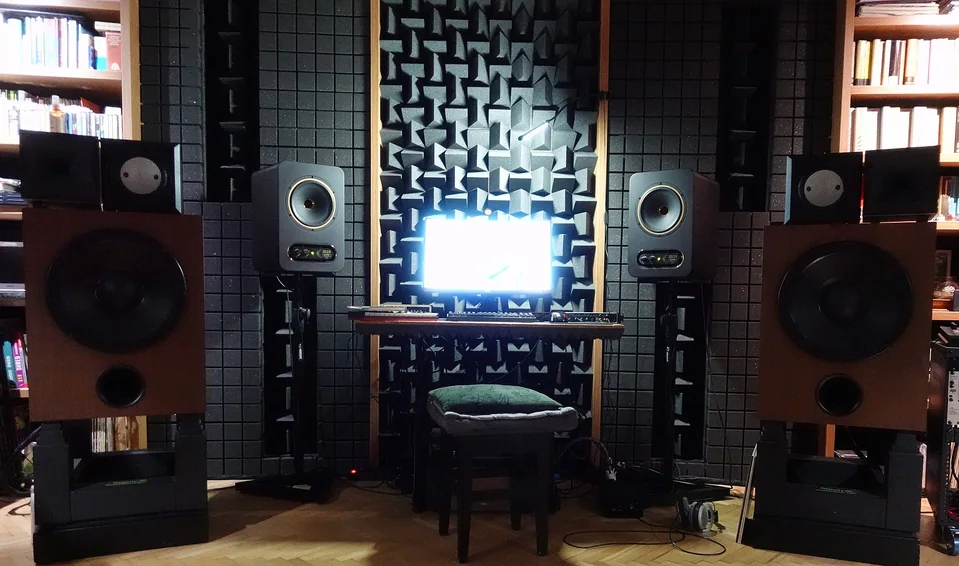
Room Acoustics Basics: What Changes the Sound at Your Seat?
Reflections, boundaries and low-frequency variation, without the mystique.
Read article ↗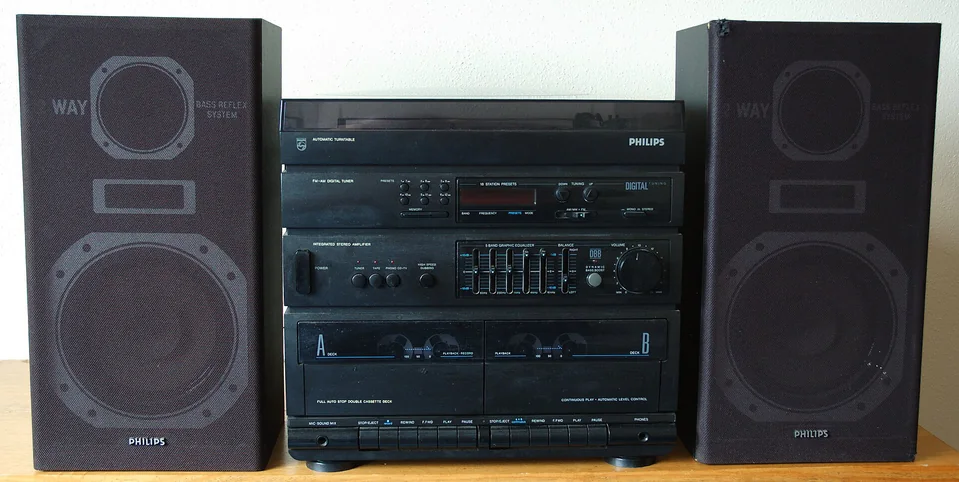
How to Make TV Dialogue Clearer: A Step-by-Step Check
A step-by-step approach to separating content, setup and room problems.
Read article ↗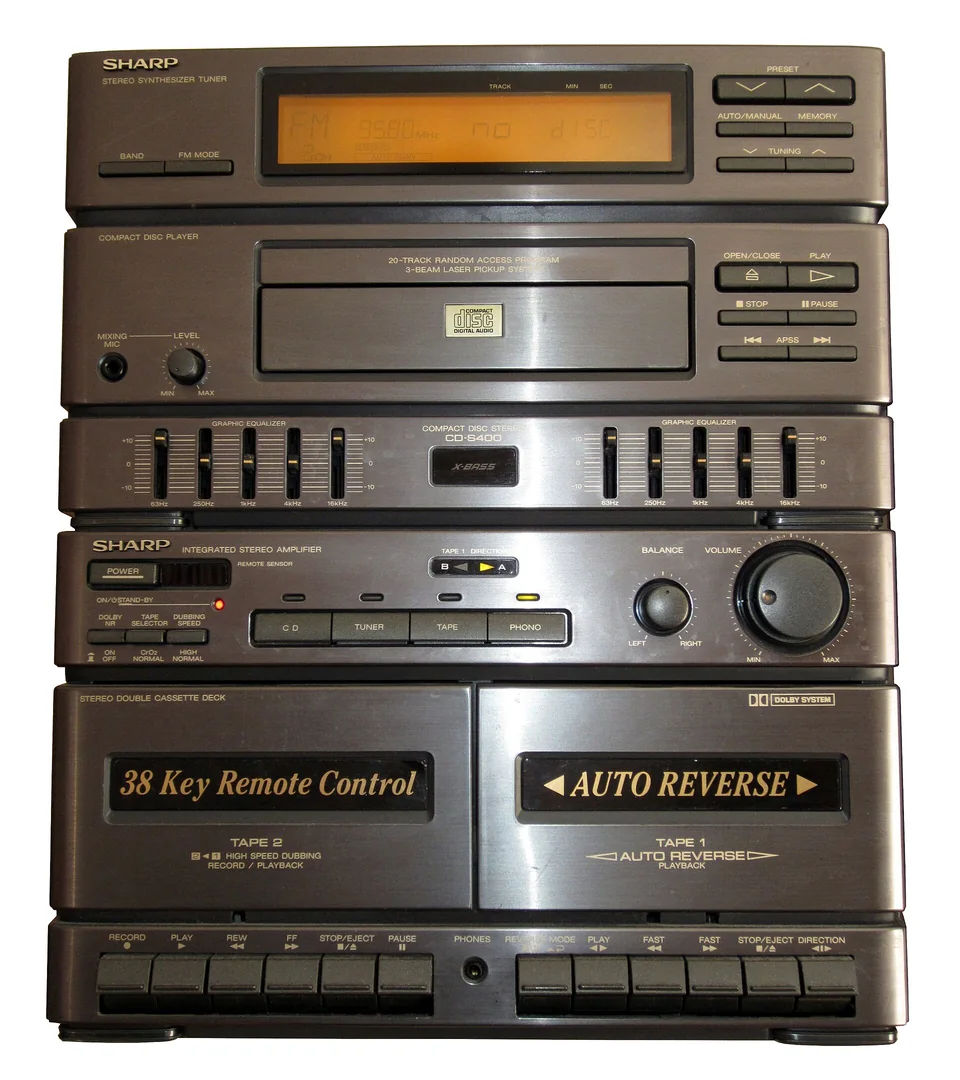
How to Read Speaker Specs Without Chasing Bigger Numbers
How we approach research-based audio analysis before making recommendations.
Read article ↗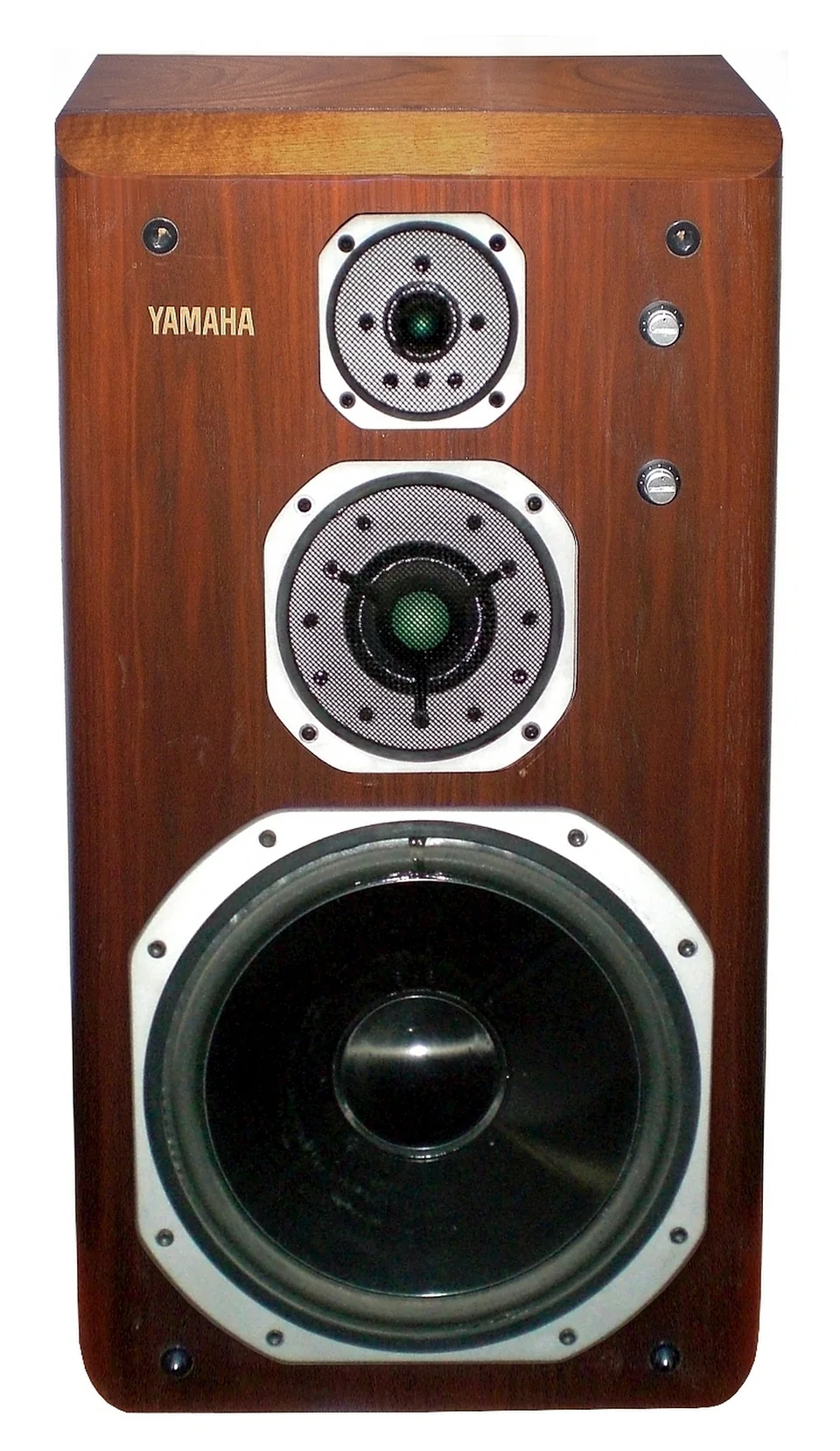
Bookshelf vs Floorstanding Speakers: Which Fits Your Room?
Compare bass, output, placement and the space a complete system occupies.
Read article ↗
Active vs Passive Speakers: What Does Your System Need?
Understand where amplification, filtering and volume control happen before connecting a system.
Read article ↗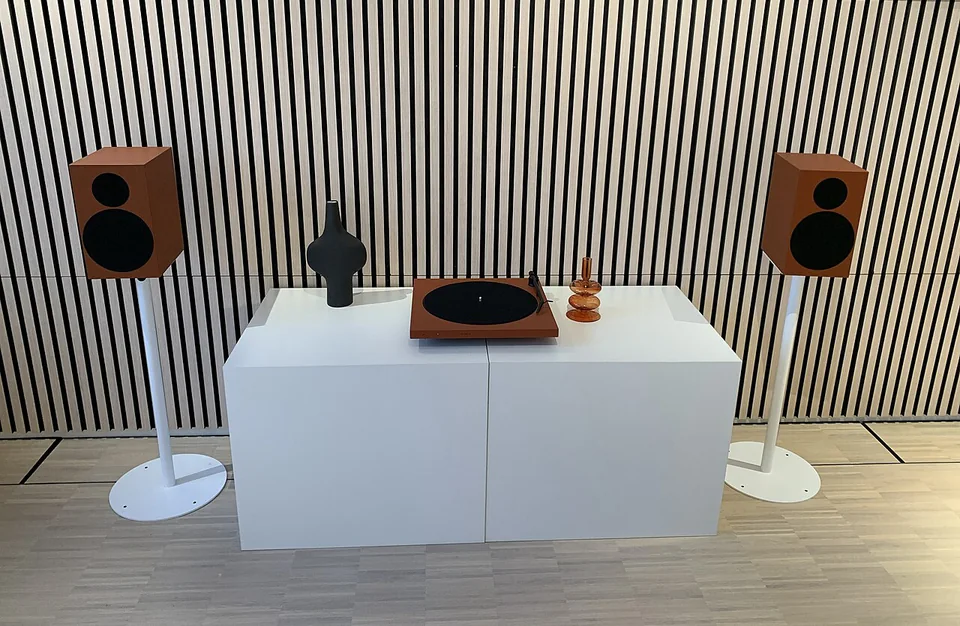
Speaker Toe-In: Find a Better Angle for Your Listening Area
A controlled listening method for speaker angle, center image and coverage across a couch.
Read article ↗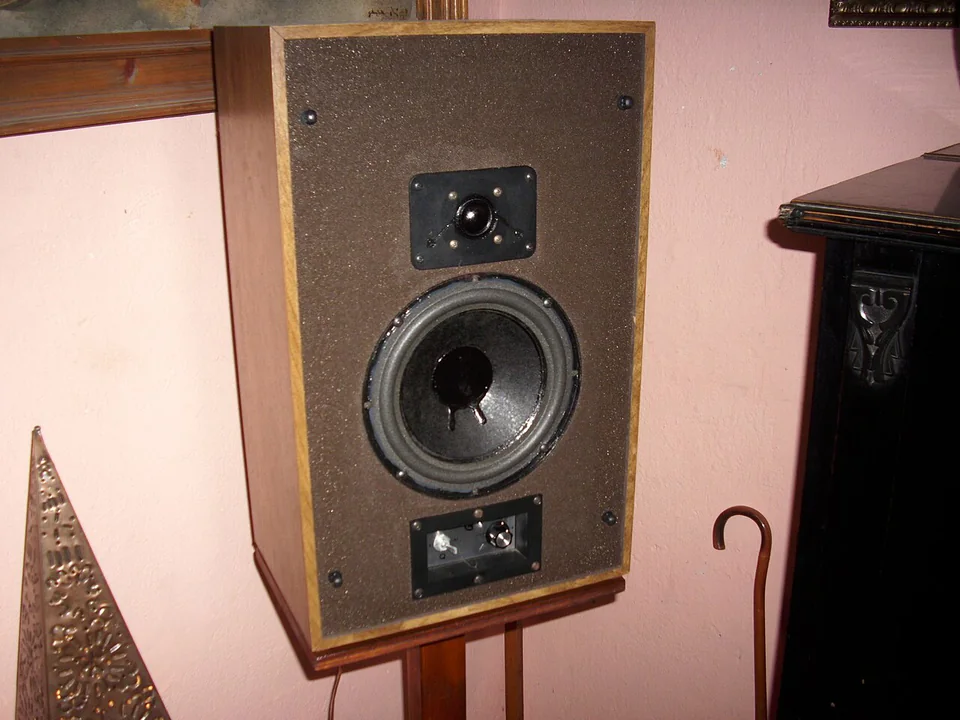
Speaker Sensitivity and Impedance: Read the Numbers
Read voltage, power and load information without turning a specification into a sound-quality score.
Read article ↗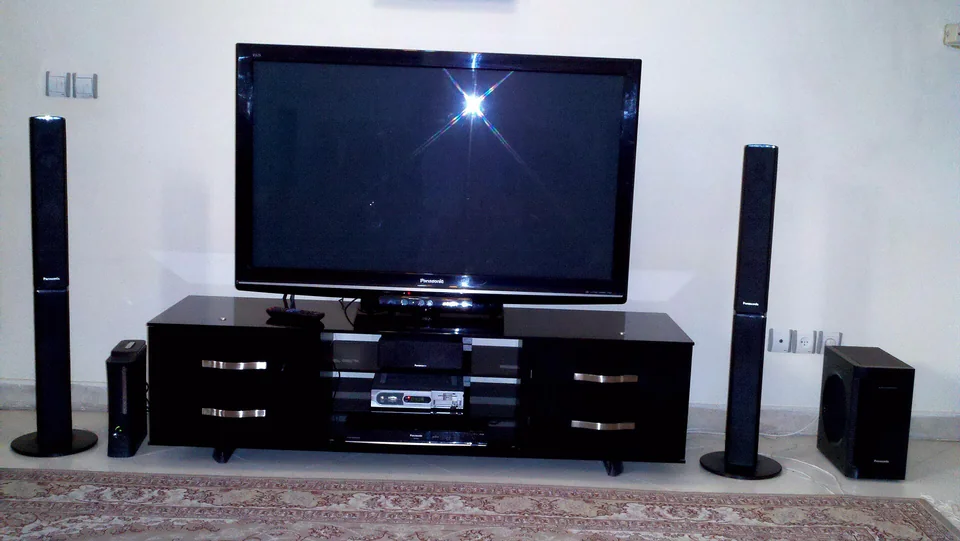
Center Channel Speaker Placement: Below TV, Height and Angle
Work around screens, furniture and off-center seats before reaching for a level boost.
Read article ↗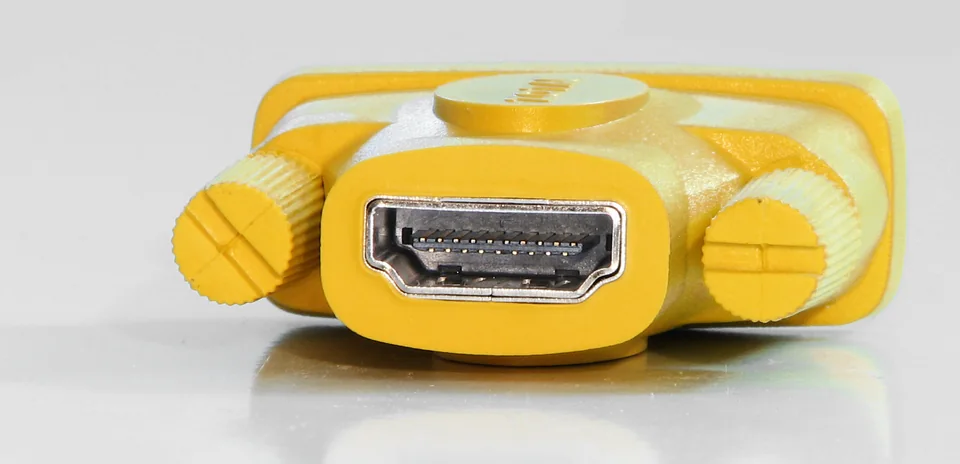
HDMI ARC vs eARC: Formats, Connections and Common Problems
What the return channel does, why format support varies, and how to diagnose a missing soundtrack.
Read article ↗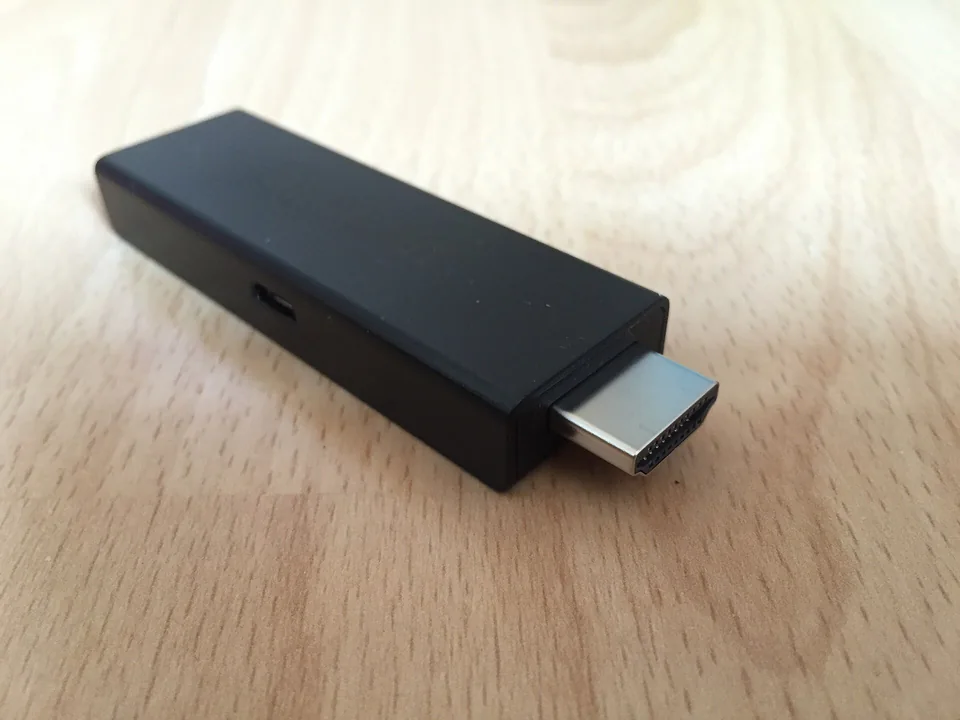
Is Dolby Atmos Actually Playing? Check Your Signal Chain
A practical distinction between a content badge, the incoming signal and the speakers producing it.
Read article ↗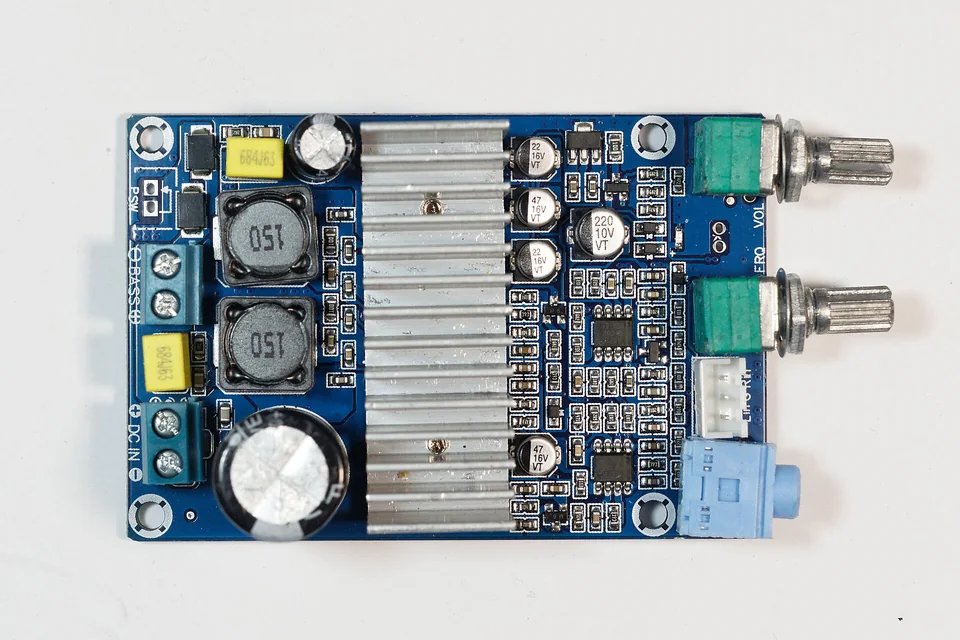
Crossover vs LFE: Which Bass Setting Does What?
Separate redirected speaker bass, a soundtrack's LFE channel and the subwoofer's own filter.
Read article ↗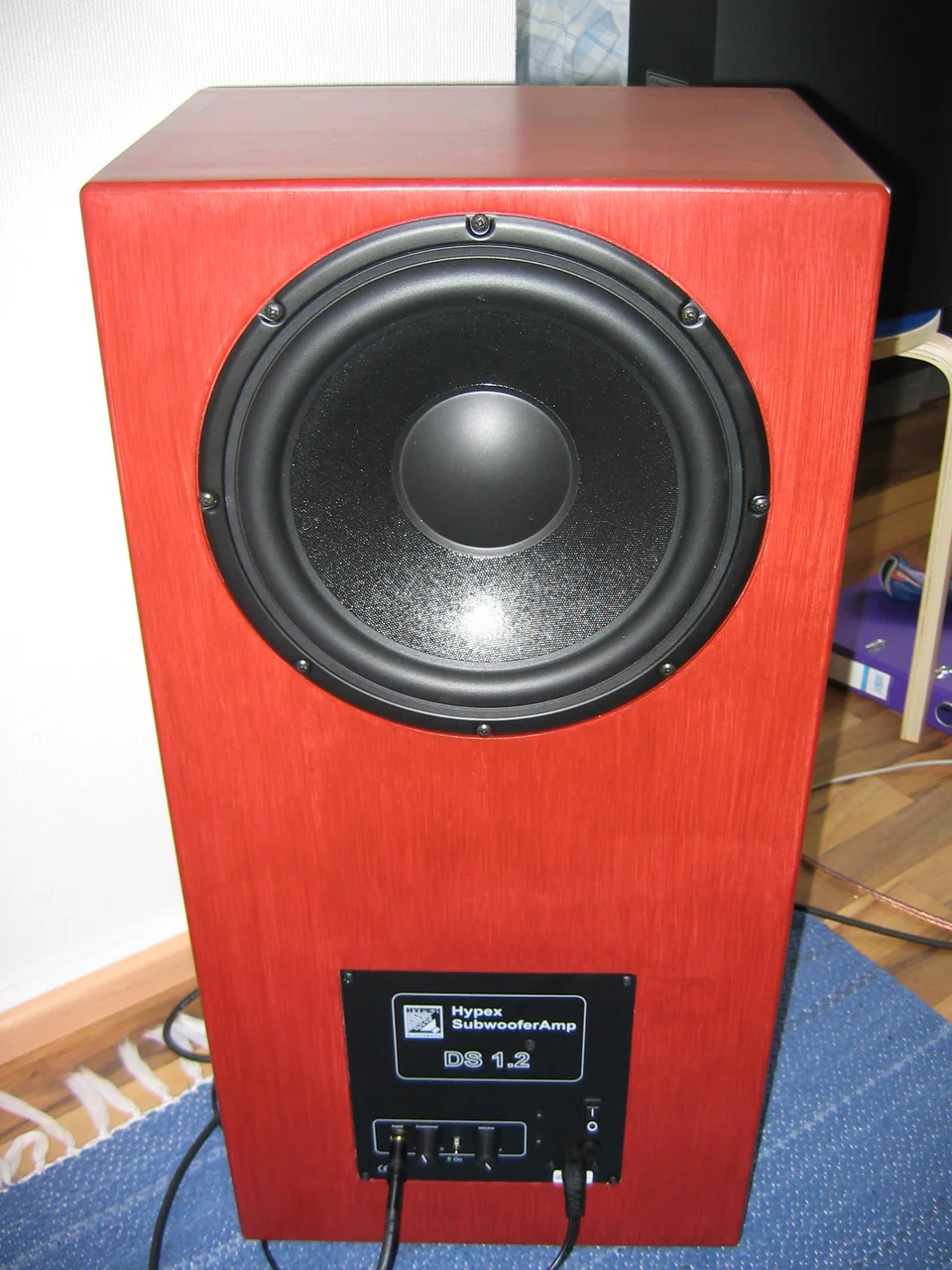
Subwoofer Placement: Compare Corners, Walls and Seats
Evaluate workable locations across the seats instead of choosing the place with the loudest bass.
Read article ↗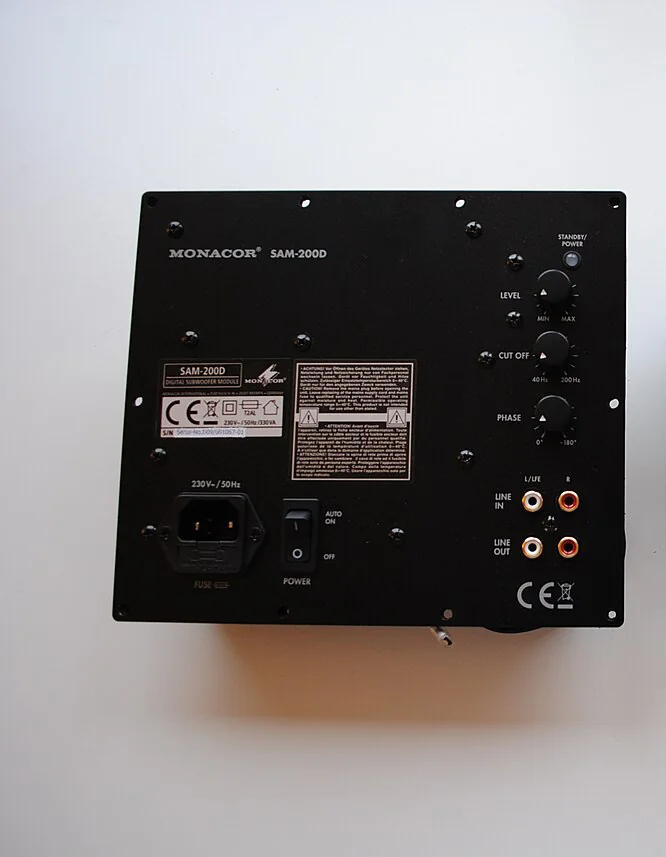
Subwoofer Phase, Polarity and Delay: What to Adjust First
A repeatable way to investigate the handover without confusing louder bass with better integration.
Read article ↗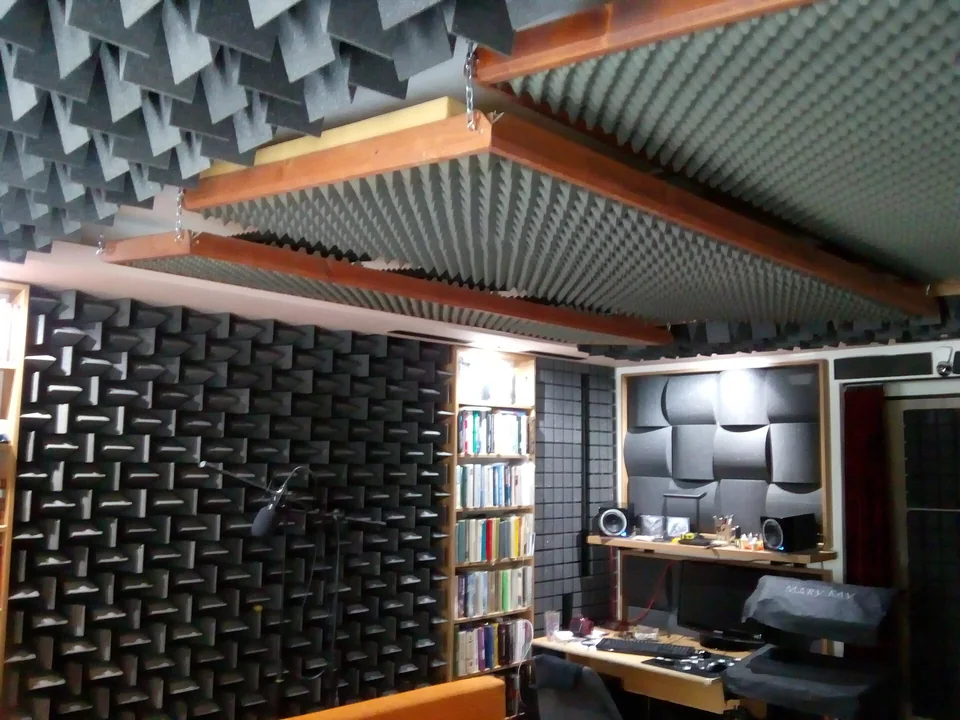
Acoustic Treatment vs Soundproofing: Solve the Right Problem
Improving sound inside a room and reducing sound transmission require different plans.
Read article ↗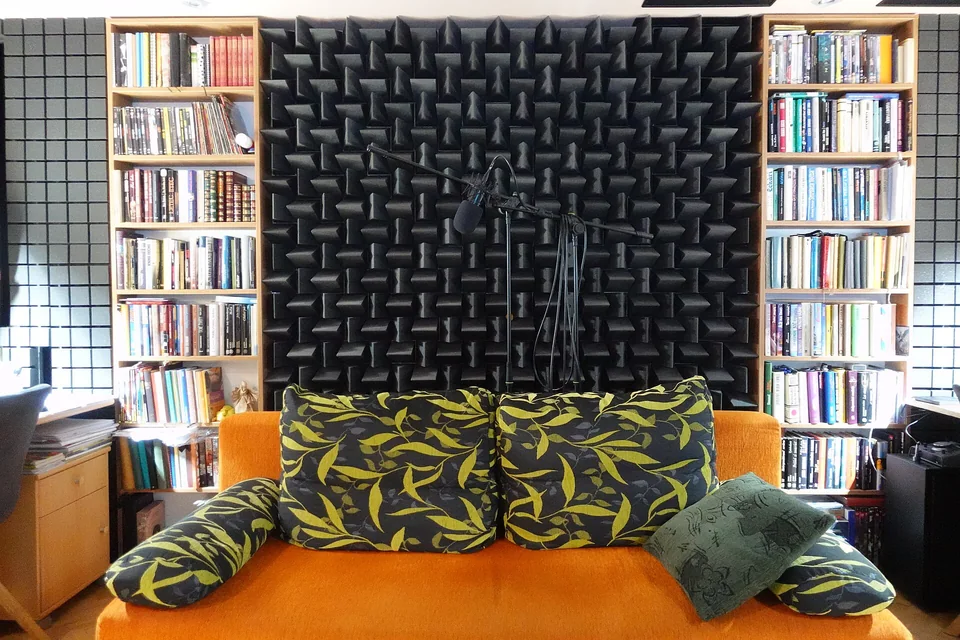
Small Living Room Audio: A Practical Setup Plan
Make speaker positions, seating, bass and everyday room use part of one workable setup.
Read article ↗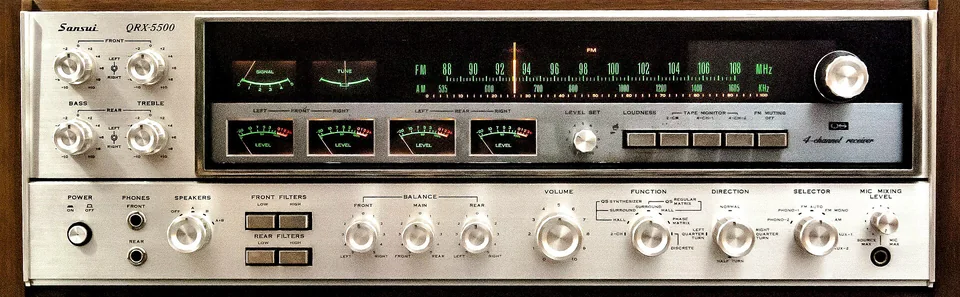
What Does an AV Receiver Do? Receiver vs Stereo Amp
Understand the signal path first, then decide which box your TV and speakers actually need.
Read article ↗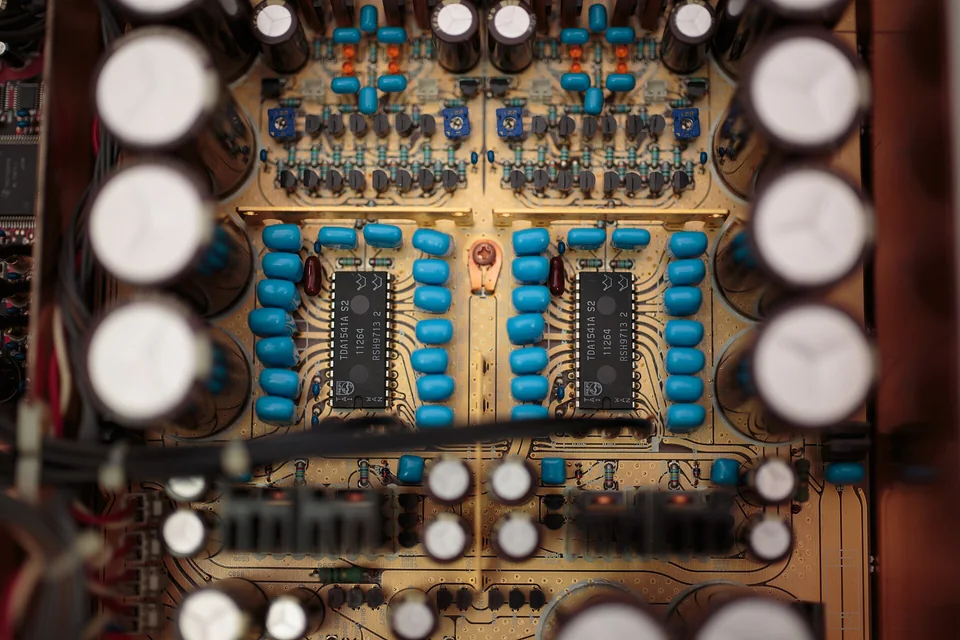
What Does a DAC Do? When a Separate Converter Makes Sense
Locate digital-to-analog conversion before assuming another component is missing.
Read article ↗
How to Wire Passive Speakers: A Practical Checklist
Check polarity, terminals, cable routing and the first low-level channel test.
Read article ↗
Subwoofer Hum: Diagnose It Without Removing Safety Earth
A careful diagnostic sequence for constant hum, cable-related noise and service-worthy symptoms.
Read article ↗
One Speaker Has No Sound? Trace the Missing Channel
Work from routing to connections, using controlled swaps only when the equipment is safe to test.
Read article ↗
Room Correction: What It Can Fix and What It Cannot
Understand calibration targets, spatial limits and verification before trusting an automatic result.
Read article ↗
How to Read Speaker Frequency-Response Graphs
Start with axes, conditions and smoothing, then separate a speaker measurement from a room measurement.
Read article ↗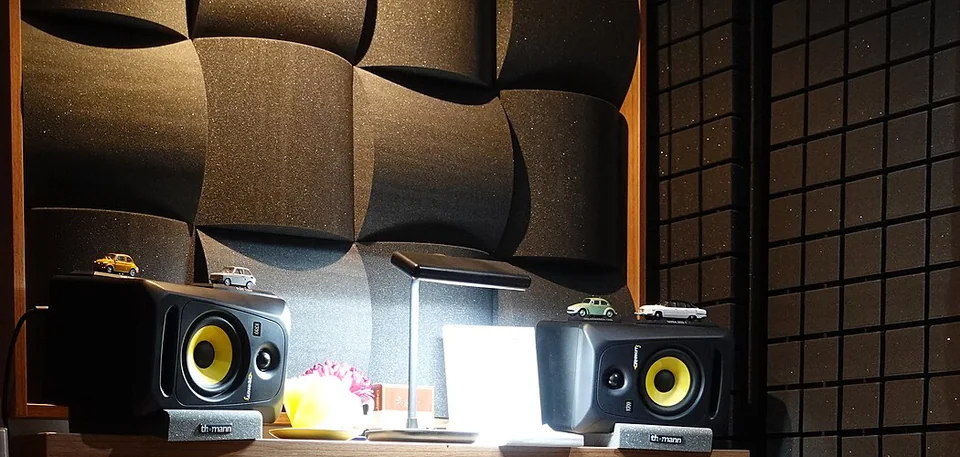
Uneven Bass in a Room? A Step-by-Step Diagnosis Workbook
An observation-led guide to room modes, cancellation, placement, measurements and the limits of correction.
Read article ↗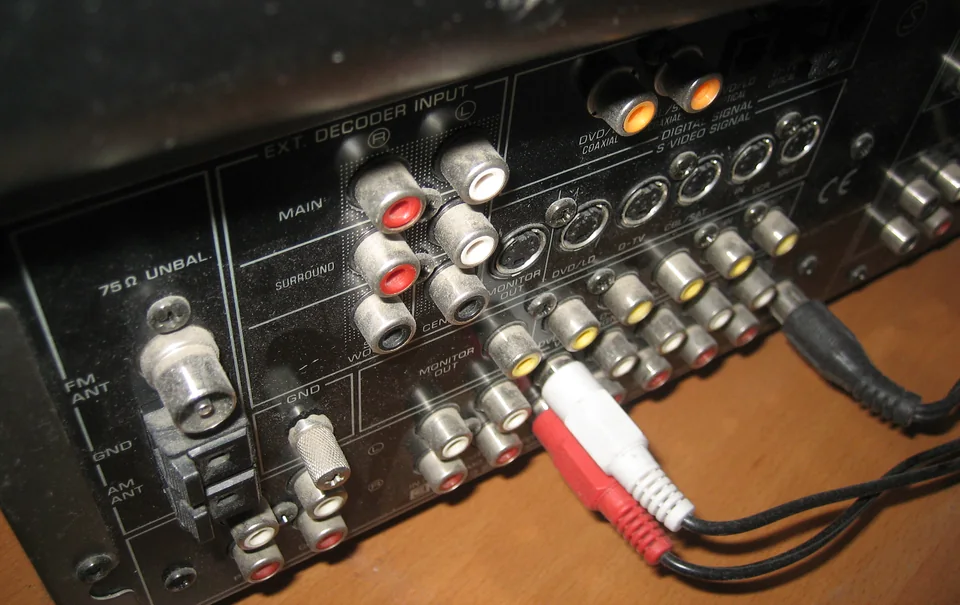
PCM vs Bitstream: Choose the Right Audio Output for Your Receiver
A practical way to compare source decoding, TV output settings and the signal your receiver actually receives.
Read article ↗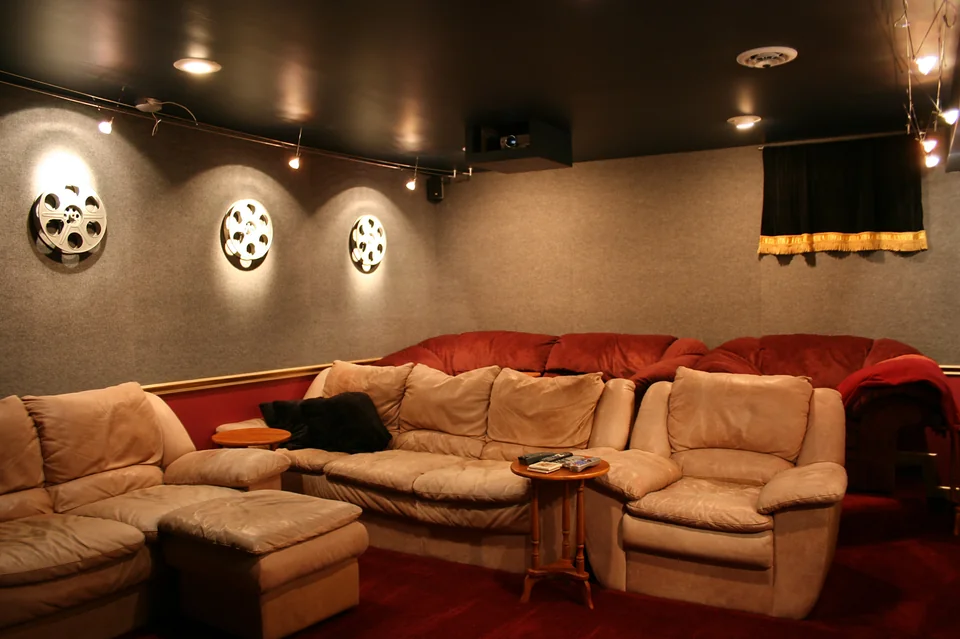
Home Theater Calibration: What to Check After Auto Setup
Verify the receiver’s automatic settings with a speaker-map check and a short listening pass across your seats.
Read article ↗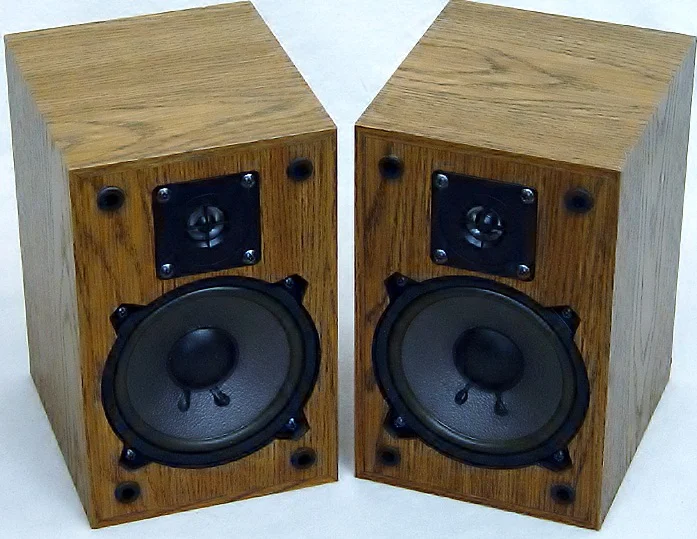
How to Choose Bookshelf Speakers That Fit Your Room
A practical shortlist based on cabinet clearance, listening distance, connections and the bass you need.
Read article ↗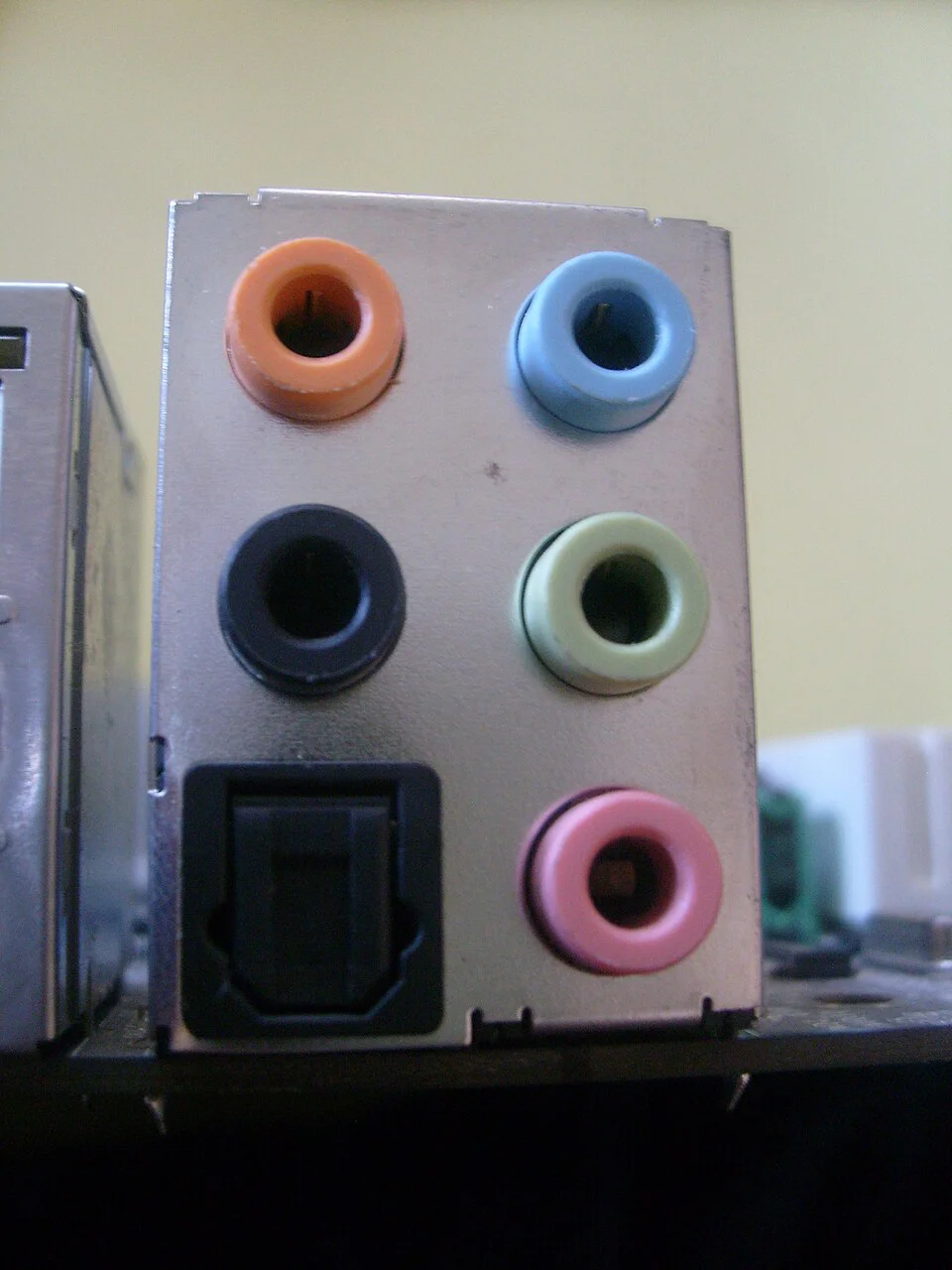
TV Optical Audio Has No Sound? Check the Signal Path
Trace a silent optical connection through the selected input, audio format and source before replacing equipment.
Read article ↗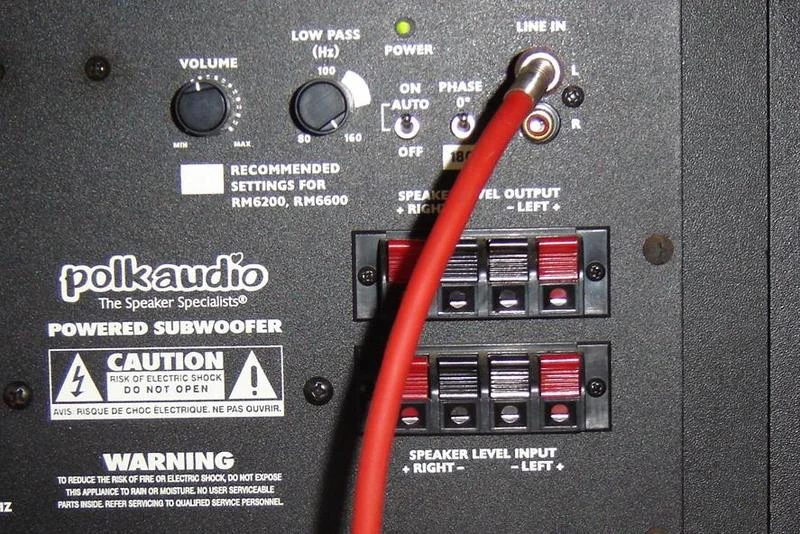
Subwoofer Turns Off at Low Volume? Check Auto Standby First
Separate signal-sensing standby from missing bass or a power fault with a reversible comparison.
Read article ↗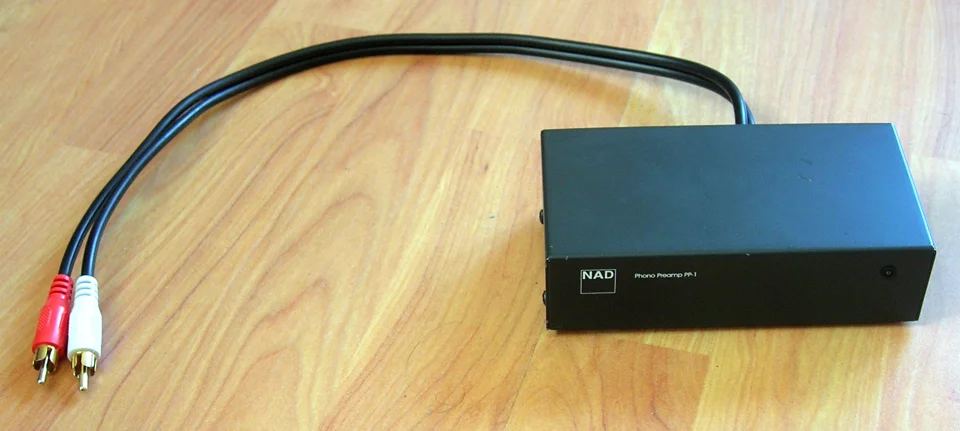
PHONO vs LINE: Choose the Right Input for Your Turntable
Map the phono stage once, match the output to the input, and avoid chasing weak or distorted sound with the volume knob.
Read article ↗